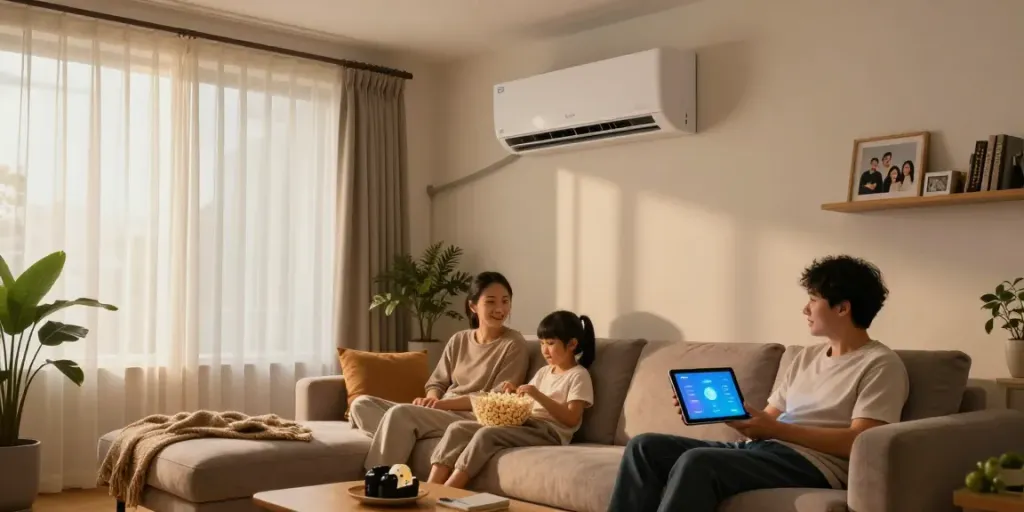
Understanding Ductless AC Systems
Ductless air conditioning systems have rapidly gained popularity among homeowners and business owners looking to enhance their climate control options. These systems, sometimes known as mini-splits, offer a range of benefits over traditional air conditioning units, making them a go-to choice for many applications. As the demand for efficient and flexible cooling solutions grows, understanding ductless ac systems becomes crucial. This article delves into the core aspects of ductless AC systems, including their functionality, advantages, disadvantages, and emerging trends in technology.
What is a Ductless AC?
A ductless AC system, as the name suggests, operates without the need for ductwork to circulate air. Instead, these systems consist of an outdoor compressor unit and one or more indoor air-handling units. The absence of ducts not only simplifies installation but also makes ductless systems ideal for spaces where traditional central air conditioning would be impractical. In essence, ductless ACs provide a flexible, efficient, and effective solution for heating and cooling various spaces, from homes to commercial buildings.
Key Components of Ductless AC Units
Ductless AC systems typically consist of three main components:
- Outdoor Compressor Unit: This unit houses the compressor and condenser. It is responsible for dissipating heat taken from the indoor environment.
- Indoor Air-Handler Units: These units are installed within the living or working space and distribute conditioned air. They often come with features like adjustable airflow and temperature settings.
- Refrigerant Lines: These lines connect the outdoor unit to the indoor units and transport refrigerant, playing a crucial role in the cooling and heating processes.
How Ductless AC Works Efficiently
Ductless AC systems operate using a straightforward process. The outdoor unit absorbs heat from the surrounding air through the evaporator coil. The refrigerant is then transformed into a gaseous state and sent to the compressor, where it is pressurized and converted back to a liquid state. This liquid refrigerant travels to the indoor units, where heat is released into the space, and the cool air is circulated. This cycle continues until the desired temperature is achieved, providing efficient climate control tailored to individual rooms.
Pros of Ductless AC Systems
Energy Efficiency Benefits
One of the standout features of ductless AC systems is their energy efficiency. Traditional HVAC systems often experience significant energy loss through ductwork. In contrast, ductless systems minimize this loss since they do not rely on extensive ducting. Furthermore, many modern ductless systems come equipped with inverter technology, which allows for variable speed operation. This means the system can precisely adjust its cooling capacity based on the current needs, leading to lower energy consumption and reduced utility bills.
Flexible Installation Options
Ductless AC systems offer unmatched installation flexibility. They can be easily mounted on walls, ceilings, or even recessed into the ceiling space, making them suitable for various environments, including residential homes, offices, and commercial buildings. Additionally, because there is no ductwork involved, the installation process is typically less invasive, leading to quicker setup times and less disruption to your property.
Improved Air Quality
Another significant advantage of ductless AC systems is their potential to improve indoor air quality. Unlike traditional systems that can accumulate dust and allergens in ductwork, ductless systems have individual filters within each indoor unit. This design helps to capture and reduce pollutants, resulting in cleaner air. Moreover, by providing independent temperature control for different rooms, ductless systems enable homeowners to maintain optimal comfort levels without overworking the HVAC system.
Cons of Ductless AC Systems
Higher Initial Costs
While ductless AC systems offer various benefits, they often come with higher upfront costs compared to traditional central air systems. The price can vary based on the brand, model, and the number of indoor units needed. Homeowners should consider their budget and whether the long-term energy savings will offset the initial investment.
Aesthetic Considerations
Another consideration for prospective buyers is the aesthetic impact of ductless units. The indoor air-handling units can be perceived as obtrusive or less appealing than traditional vents and registers. However, many manufacturers offer sleek, modern designs that can blend seamlessly into contemporary interiors.
Maintenance Challenges
While ductless systems generally require less maintenance than traditional systems, they are not completely maintenance-free. Homeowners need to regularly clean or replace the filters in indoor units and might need the assistance of HVAC professionals for annual checkups to ensure optimal performance.
Comparing Ductless AC to Traditional Systems
Efficiency and Cost Analysis
When assessing efficiency, ductless AC systems often outperform traditional systems, especially in homes without existing ductwork. According to various studies, ductless systems can be up to 30% more efficient than conventional central air systems. This efficiency translates to lower monthly energy bills, making ductless systems a compelling choice for budget-conscious consumers.
Installation and Space Requirements
Installation time and space requirements also differ significantly. Traditional systems require extensive ductwork, which can be time-consuming and costly to install. In contrast, ductless systems can often be installed in a matter of hours with minimal disruption to your property. This ease of installation makes them ideal for room additions, retrofitting older homes, or even cooling specific zones in larger spaces.
Long-Term Performance Metrics
In terms of long-term performance, ductless AC systems have proven to be reliable options. With proper maintenance, these systems can last upwards of 20 years, similar to central systems. Moreover, advancements in technology continuously improve their efficiency and reliability, ensuring they remain an attractive option for future installations.
Future Trends in Ductless AC Technology
Smart Home Integration for Enhanced Control
The integration of smart home technology into ductless AC systems is a growing trend that enhances user control and efficiency. Many modern ductless models now come with Wi-Fi connectivity, allowing homeowners to operate their systems remotely via smartphone apps. This feature not only adds convenience but also enables users to optimize energy use by adjusting settings based on their schedules.
Emerging Technologies in Ductless Units
Innovations in technology are driving the evolution of ductless systems. Manufacturers are continually exploring ways to improve performance, including the use of advanced refrigerants that minimize environmental impact and technologies that reduce noise levels further. As a result, homeowners can expect quieter, more efficient systems in the coming years.
Environmental Considerations for 2026 and Beyond
As environmental responsibility becomes increasingly important, ductless AC systems are adapting to meet these challenges. Future products are expected to feature enhanced energy-saving capabilities and environmentally friendly refrigerants that reduce greenhouse gas emissions. These innovations will make ductless systems not only an efficient choice but also a more sustainable option for conscious consumers.
Frequently Asked Questions About Ductless AC Systems
What are the benefits of ductless AC systems?
Ductless AC systems offer numerous benefits, including energy efficiency, flexible installation options, improved air quality, and the ability to control temperatures in individual rooms. They are particularly advantageous for homes without existing ductwork.
How does ductless AC compare to central air conditioning?
Ductless AC systems can be more efficient than central air conditioning, especially in homes without ducts. They also offer more flexible installation options, while central systems generally require significant ductwork and might incur higher energy losses through those ducts.
What should I consider before installing a ductless AC?
Before installing a ductless AC system, consider factors such as the initial cost, the layout of your home, the number of indoor units required for effective cooling, and the aesthetic impact of visible units. It's also vital to evaluate your long-term energy savings.
What maintenance do ductless AC systems require?
Ductless AC systems require regular maintenance, including cleaning or replacing indoor unit filters and scheduling annual checkups with HVAC professionals to ensure optimal performance.
Are ductless AC systems worth the investment?
Many homeowners find ductless AC systems to be a worthwhile investment due to their energy efficiency, flexible installation options, and long-term performance. Their ability to provide individual room control can lead to significant energy savings, making them a smart choice for many applications.